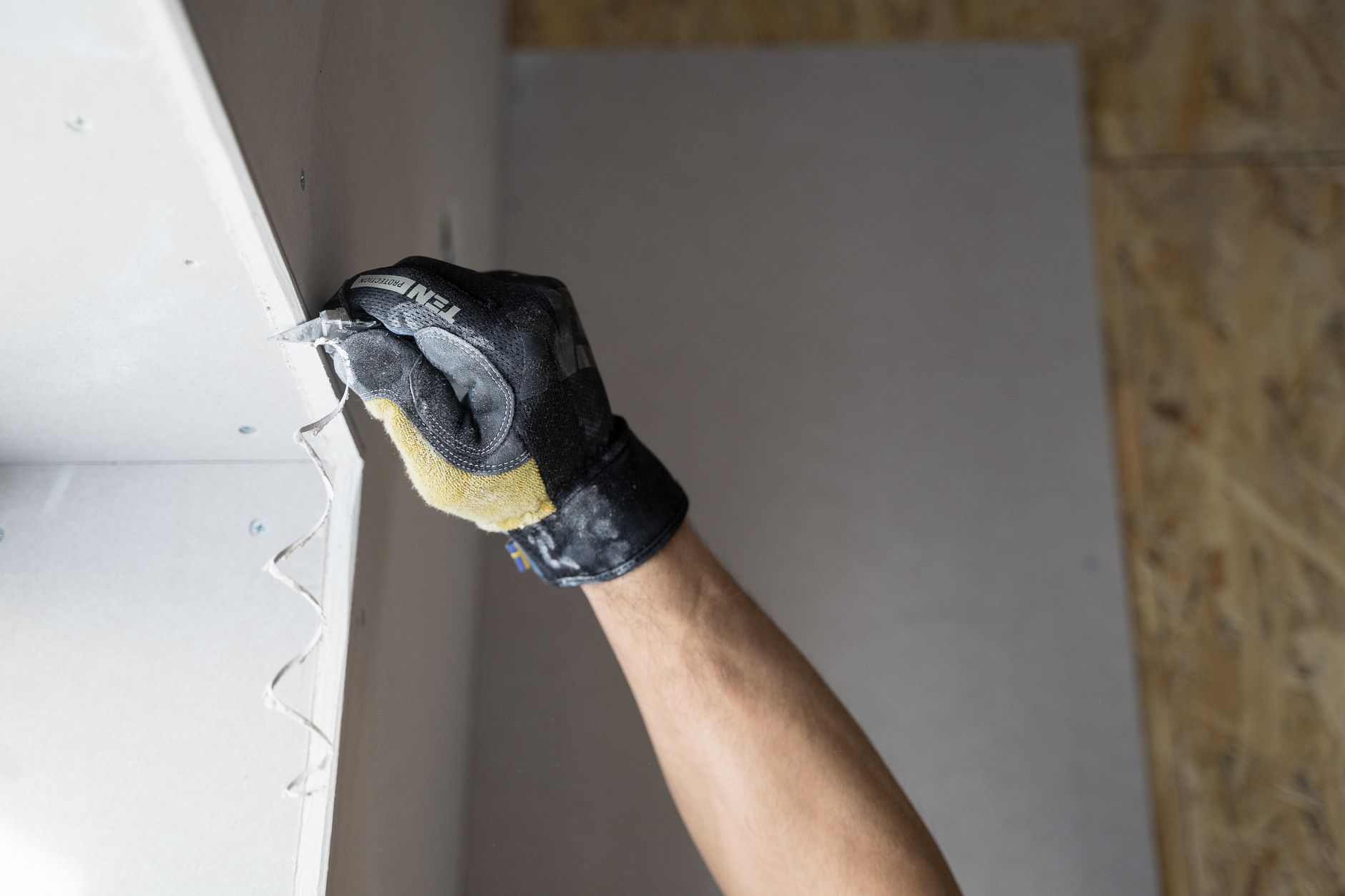
A stain on the ceiling, a crack above a doorway, or a patch of bubbled paint can look like a simple cosmetic problem. Sometimes it is. Other times, drywall is the first visible sign that moisture, movement, old repairs, or hidden wear need attention before the wall is patched and painted. For homeowners comparing options for drywall repair Columbia IL, the smartest first step is understanding what the damage is trying to tell you.
Columbia homes see a little bit of everything: finished basements, older room additions, busy family entries, seasonal humidity, and the normal settling that comes with Midwest weather. A clean patch can make the surface look better, but a lasting repair usually starts with the reason the drywall failed. R Squared Construction looks at drywall as part of the whole room, not just as a square that needs mud and sanding.
Start With What the Damage Looks Like
Not every drywall problem has the same cause. A small dent from moving furniture is different from a brown ceiling ring, and a straight seam crack is different from a spreading stair-step crack near trim. Before choosing materials or paint, take a few minutes to study the shape, location, and pattern of the damage.
Water stains are one of the biggest warning signs. A stain may come from a roof leak, plumbing line, appliance overflow, bathroom exhaust issue, or condensation in a poorly ventilated area. If the drywall is soft, swollen, sagging, or crumbly, patching over it can trap the problem. A repair should begin after the moisture source is understood and the damaged material is removed back to solid edges.
Cracks deserve the same careful look. Hairline cracks along a seam may come from normal movement or an older tape joint that failed. Wider cracks, cracks that keep reopening, or cracks paired with sticking doors may point to framing movement or another issue that deserves a broader look. Good drywall repair in Monroe County IL should not pretend every crack is the same.
Nail pops, corner bead dents, and texture problems are often less serious, but they still need the right prep. If a fastener has backed out, simply pushing compound over the bump may leave it visible again later. A better repair usually resets or replaces the fastener, secures the panel, feathers the compound wider than the damaged spot, and blends texture before primer and paint.
When a Patch Is Enough
A focused patch can be the right choice when the damage is isolated, dry, and not connected to a larger problem. Small holes, shallow dents, clean furniture impacts, minor corner damage, and old picture-anchor damage are all good candidates for a straightforward repair. The goal is to rebuild the surface, blend the finish, and leave the room ready for paint without opening more wall than necessary.
For these smaller repairs, the quality comes from patience. The damaged area needs clean edges, backing where the patch requires support, thin coats of compound, enough drying time, careful sanding, and primer that seals the repair before finish paint. Skipping those steps is why some patches flash through paint or leave a raised outline when the room catches afternoon light.
Texture matching is another detail homeowners notice quickly. A patch in a smooth wall may need broad feathering. A textured ceiling or wall may need a test area so the new texture does not look heavier or flatter than the surrounding surface. This is especially important when lighting runs across a wall or when the damaged area sits near a window.
If the rest of the room is in good shape, a focused drywall finishing and painting plan can keep the project controlled. Homeowners can also use a small repair as a chance to refresh trim, touch up a busy hallway, or clean up an older patch that never blended correctly.
When Drywall Damage Needs a Closer Inspection
Some drywall problems should slow the project down before anyone starts sanding. Moisture is the clearest example. If a stain comes back after paint, if drywall feels soft, or if there is a musty smell, the repair should not move forward until the source is found. Otherwise, the same damage can return and the finished surface may hide a problem that is still active.
Repeated cracks also deserve attention. A single repaired seam may be simple. A crack that runs from the corner of a window, comes back after previous repair, or spreads across multiple surfaces may need more than compound. The surrounding trim, framing, fasteners, and room conditions can help explain why the drywall is moving.
Basements and lower-level rooms can add another layer. Finished basement drywall may show damage from humidity, past water entry, or small leaks around plumbing and foundation penetrations. In those areas, a good repair conversation should include whether damaged drywall needs replacement, whether insulation or backing material is affected, and whether paint alone will hold up.
This is where working with a practical local contractor helps. R Squared Construction handles drywall repair in Columbia, IL as part of real home repair work, so the conversation can include trim, paint, moisture concerns, and nearby repairs instead of treating each damaged spot like an isolated patch.
How to Plan the Repair So It Blends In
The best drywall repair is the one visitors do not notice. That takes more planning than many homeowners expect. The wall surface, lighting, paint sheen, texture, and surrounding trim all affect how the finished repair will look. A patch that seems smooth while sanding can still flash through satin paint if it was not sealed or feathered correctly.
Start by deciding the realistic stopping point. On some walls, touching up one spot is enough. On others, repainting corner to corner gives a cleaner result because older paint has faded or collected normal wear. Rooms with heavy natural light may need wider blending than a hallway or closet. That does not always mean the project has to become large, but it should be planned honestly.
It also helps to group related small repairs. If you already need water damaged drywall repair near a ceiling, it may be smart to handle nail pops, trim gaps, and old anchor holes in the same room before paint comes out. That saves setup time and leaves the finished room more consistent.
For homeowners weighing drywall work alongside other updates, the broader R Squared Construction services page is a useful place to see how drywall, doors, windows, decks, flooring, and remodeling work can connect. A wall repair may be simple by itself, or it may fit into a larger plan for a room that needs several practical fixes.
Questions to Ask Before Hiring Help
Before you schedule drywall repair, ask what the contractor will do to identify the cause of the damage. For a dent, that may be quick. For stains, recurring cracks, or soft drywall, it matters a lot. You should also ask whether the repair includes texture matching, primer, paint-ready finishing, and cleanup. Those details affect the final result more than the size of the patch alone.
Ask how the work area will be protected. Drywall sanding creates dust, and even a small job can spread mess if the space is not prepared. A careful repair plan should include:
- Drop cloths or floor protection around the repair area
- Dust control during sanding and cleanup
- Primer before finish paint so the patch does not flash
- A clear plan for matching texture and repainting the surrounding surface
Finally, ask whether nearby issues should be handled at the same time. If a damaged wall sits near an old door opening, a worn baseboard, or a ceiling stain, the most cost-effective plan may combine several small fixes. The recent guide on deck repair in Columbia, IL follows the same idea outdoors: visible wear is often a clue to inspect the surrounding structure before making the surface look new.
Get the Wall Fixed the Right Way
Drywall repair should make the room look better, but it should also give you confidence that the same issue is not waiting behind the paint. If you are seeing stains, cracks, nail pops, texture problems, or damaged corners in Columbia or nearby Monroe County, R Squared Construction can help you sort out whether the job is a simple patch or part of a larger home repair.
Request a drywall repair estimate and describe what you are seeing. A clear conversation upfront helps keep the project practical, avoids covering up warning signs, and gives you a cleaner finish when the work is done.