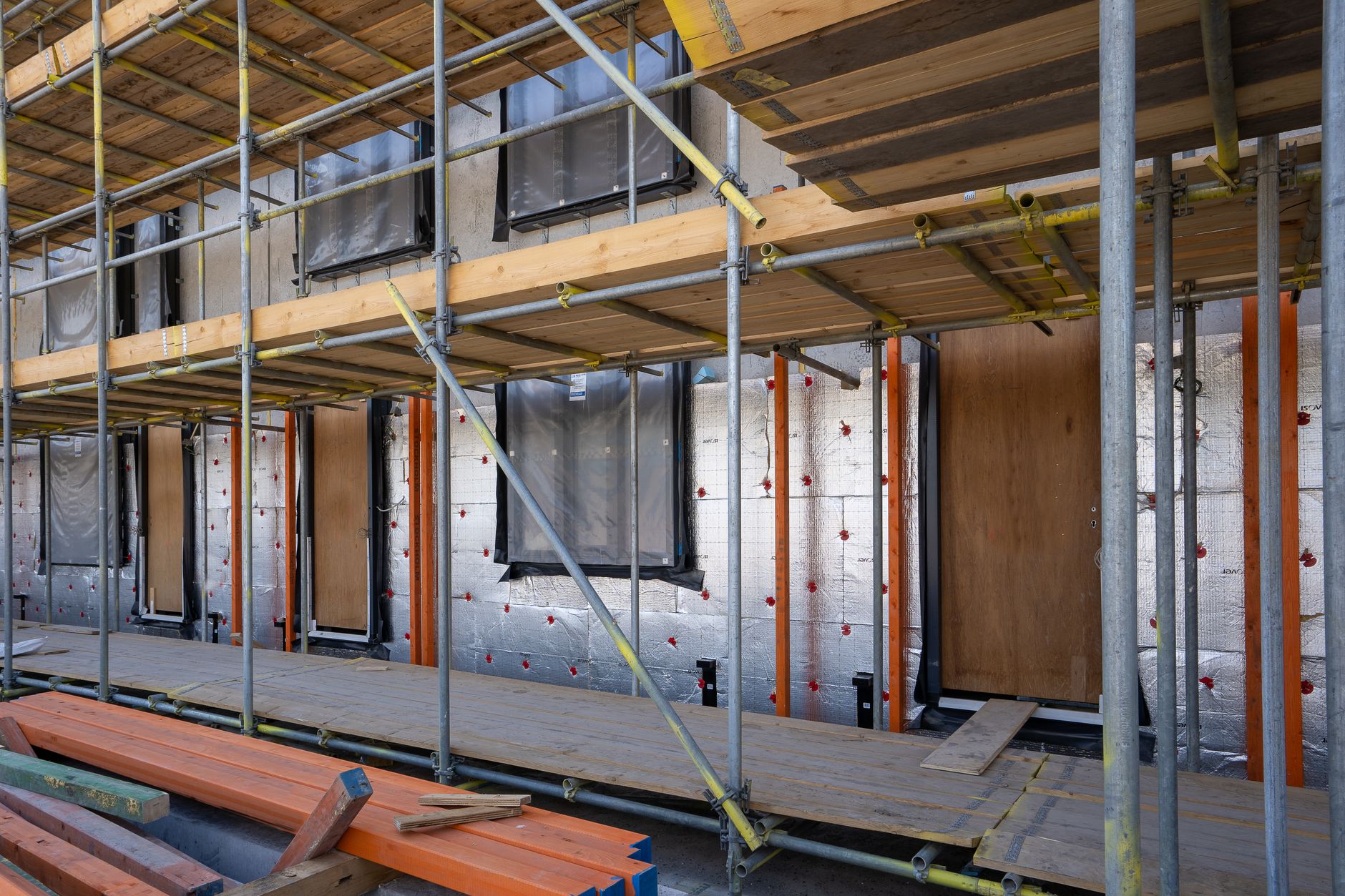
Keeping a Belleville home comfortable through a hot, humid Southern Illinois summer is not only an HVAC problem. Air conditioning can remove heat and moisture, but the house itself controls how quickly outdoor heat gets in and cooled air escapes. Homeowners can make several safe, practical improvements on their own before calling anyone. The key is knowing which projects are simple weekend work and which clues point to insulation, attic, window, door, moisture, or building-envelope conditions that deserve a construction professional.
Start by keeping summer heat outside
The easiest heat to manage is the heat that never enters the living space. Direct afternoon sun through west-facing glass can make one room feel uncomfortable even when the rest of the house is fine. Close blinds, shades, or lined curtains on sunny windows before the room heats up. Exterior shade from a properly installed awning, porch, shutter, or thoughtfully placed tree can be even more effective because it intercepts sunlight before it reaches the glass.
Use outdoor air only when it is actually helping. On a cooler morning or evening, opening windows on opposite sides of the house can create a cross-breeze. Once the outdoor air becomes hotter or much more humid than the indoor air, close the windows and coverings. Leaving windows open all afternoon during a humid heat wave can add heat and moisture instead of removing them.
Walk through the home around midafternoon and note which rooms become warm first. Record sun exposure, floor level, window direction, and whether the room sits below an attic or beside a garage. This simple heat map gives you better information than guessing. A consistently hot upstairs room may point toward attic or wall insulation; a hot room with strong afternoon sun may need shading; and one drafty opening may need weatherstripping or a more involved door or window repair.
Use fans and daily habits to make rooms feel cooler
Fans move air across people; they do not lower the temperature of an empty room. Aim a portable fan where people are sitting, and turn it off when everyone leaves. For a ceiling fan, use the summer setting recommended by the manufacturer so the blades create a downward breeze. Many models run counterclockwise when viewed from below in summer, but checking the switch and confirming the airflow is more reliable than assuming.
Keep supply and return grilles clear of furniture, rugs, curtains, and storage. You do not need to modify the mechanical system to give existing airflow a clear path. Keep interior doors positioned so cooled air can circulate through occupied spaces, unless the home's system was designed around closed-room pressure balancing.
Everyday equipment also adds heat. A few small scheduling changes can reduce the load during the hottest hours:
- Cook with a microwave, countertop appliance, or outdoor grill when practical instead of heating the oven for a long period.
- Run the dishwasher and clothes dryer during cooler evening or morning hours.
- Turn off unnecessary lights, televisions, computers, and other equipment that produces heat.
- Replace frequently used hot incandescent bulbs with efficient LED bulbs as they burn out.
- Use bathroom and kitchen exhaust fans while removing moisture or cooking heat, then turn them off when their job is finished so they do not keep pulling conditioned air outside.
These steps are inexpensive and reversible. They will not correct missing insulation or a damaged building component, but they can make occupied rooms feel better and help reveal whether the remaining problem follows the weather, the sun, or a specific part of the house.
Check simple air leaks without opening walls
Air leakage can make a home harder to cool even when the insulation looks adequate. Start with a visual and touch inspection from the living space. Look for daylight around exterior doors, loose weatherstripping, a worn door sweep, gaps where different exterior materials meet, and an attic hatch that does not close tightly. Avoid flame, smoke, or improvised electrical testing while searching for drafts.
Replacing removable weatherstripping at an accessible door or adding a correctly sized door sweep is often reasonable DIY work. Homeowners can also caulk small, stationary gaps around suitable exterior trim when the surrounding material is dry, sound, and the product is approved for that location. Do not seal intentional drainage openings, weep holes, combustion-air openings, soffit vents, or other parts you cannot identify.
An attic access panel can leak a surprising amount of air. From the conditioned side, check whether the panel sits flat and whether its gasket is intact. Do not climb into a dangerously hot attic just to investigate a comfort complaint. A qualified contractor can evaluate the hatch, penetrations, and insulation when access is difficult or when the correct repair is unclear.
If an exterior door or window is out of square, soft, water-stained, difficult to latch, or surrounded by deteriorated trim, weatherstripping alone may hide a larger problem. R Squared's Belleville door and window comfort guide explains why the opening, flashing, trim, and surrounding structure should be considered together.
Understand what insulation can and cannot do
Insulation slows heat transfer through ceilings, walls, and floors. Air sealing limits uncontrolled air movement through cracks and penetrations. A house usually needs both: adding insulation over active air leaks can leave important comfort problems in place, while sealing a few visible gaps will not compensate for large areas of thin, missing, compressed, or poorly installed insulation.
A homeowner can sometimes look across an attic from a safe, stable access point and notice obvious low spots or bare areas. That observation is useful, but insulation depth alone does not tell the whole story. Performance depends on the material, installed thickness, coverage, settling, moisture condition, and whether the insulation remains aligned with the home's air barrier.
Stop the DIY inspection and call a professional if you see wet or damp insulation, roof staining, mold-like growth, rotten framing, exposed wiring, old knob-and-tube wiring, bathroom or dryer ducts ending in the attic, damaged vents, uncovered recessed lights, or insulation that may be vermiculite. Do not disturb unfamiliar insulation to identify it. Attics also contain fall hazards, sharp roofing nails, extreme temperatures, wiring, flues, and surfaces that will not support body weight.
Insulation should not be packed against hot flues, chimneys, or fixtures without a code-appropriate assembly. Ventilation paths at soffits and roof vents should not be blocked. These details affect fire safety, moisture control, roof performance, and indoor air quality, which is why contractor-level attic work should begin with inspection and planning rather than simply adding more material.
Know when the house—not the HVAC equipment—is the problem
An HVAC technician is the right call when cooling equipment is not producing cool air, a breaker trips, coils ice over, refrigerant may be involved, controls fail, or the system makes unusual noises. A construction contractor addresses a different set of problems: the parts of the home that admit heat, leak conditioned air, hold moisture, or interrupt the insulation and air-control layers.
Consider a construction evaluation when you notice any of the following:
- Upstairs ceilings or rooms below the attic become much hotter than neighboring rooms.
- Insulation is missing, disturbed, wet, compressed, or uneven.
- An addition, converted porch, kneewall, or room above a garage is consistently uncomfortable.
- Exterior doors or windows show gaps, water damage, deteriorated trim, or movement.
- Drywall stains, peeling finishes, or soft materials suggest a roof, flashing, or moisture problem.
- Bathroom, kitchen, or dryer exhaust appears to terminate in the attic instead of outdoors.
- Attic access, recessed fixtures, plumbing chases, or other penetrations create visible breaks in the ceiling plane.
A qualified energy assessment can also use tools such as a blower door or infrared camera to help locate hidden leakage and insulation gaps. The useful outcome is not a list of products; it is a prioritized repair plan that addresses water, electrical, fire, ventilation, and structural concerns before insulation is added.
A practical weekend cooling checklist
Begin with the changes you can safely observe and reverse. Close sunny window coverings before noon. Use fans only in occupied rooms. Shift oven, dryer, and dishwasher use away from the hottest part of the day. Clear blocked grilles. Replace damaged, accessible weatherstripping. Check whether exterior doors latch evenly and whether the attic hatch closes tightly. Then compare room comfort over several similarly hot days.
Write down what did and did not improve. If one room remains hot, document when it happens and what sits above, below, and beside it. Photos of accessible conditions, without entering unsafe spaces, can help a contractor understand the concern. This record prevents a broad complaint such as “the house is hot” from turning into an unfocused project.
If the remaining issue points to insulation, attic air leakage, damaged openings, moisture, drywall, trim, or another construction detail, review the full range of R Squared Construction services. We can discuss the building-related causes, explain what should be repaired first, and keep the scope separate from mechanical HVAC work.
Make the house easier to cool before buying a bigger solution
A larger cooling system cannot repair wet insulation, an unsealed attic chase, failed window trim, or missing coverage above a hot room. Start with shade, airflow, daily heat reduction, and simple weatherstripping. When those improvements are not enough, investigate how heat and air move through the home's construction.
For help evaluating insulation and other contractor-level comfort problems in Belleville or nearby Southern Illinois communities, request a construction or insulation estimate from R Squared. The goal is a clear, sensible scope: homeowners handle the safe maintenance they can, an HVAC professional handles mechanical equipment when needed, and a construction professional repairs the parts of the house that are making summer comfort harder than it should be.